Biography
- Home
- Biography
Early Life of Sidhu Murmu
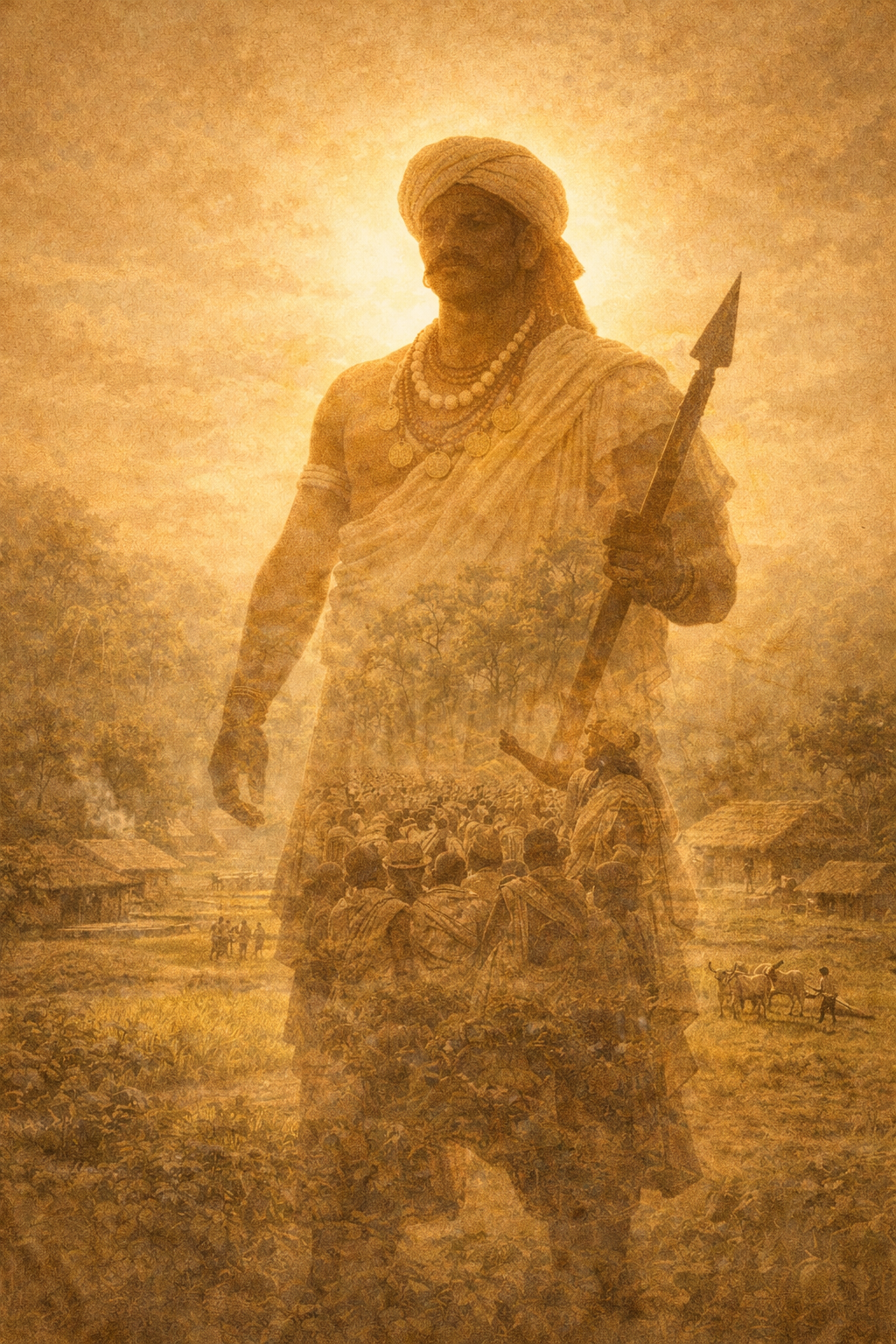
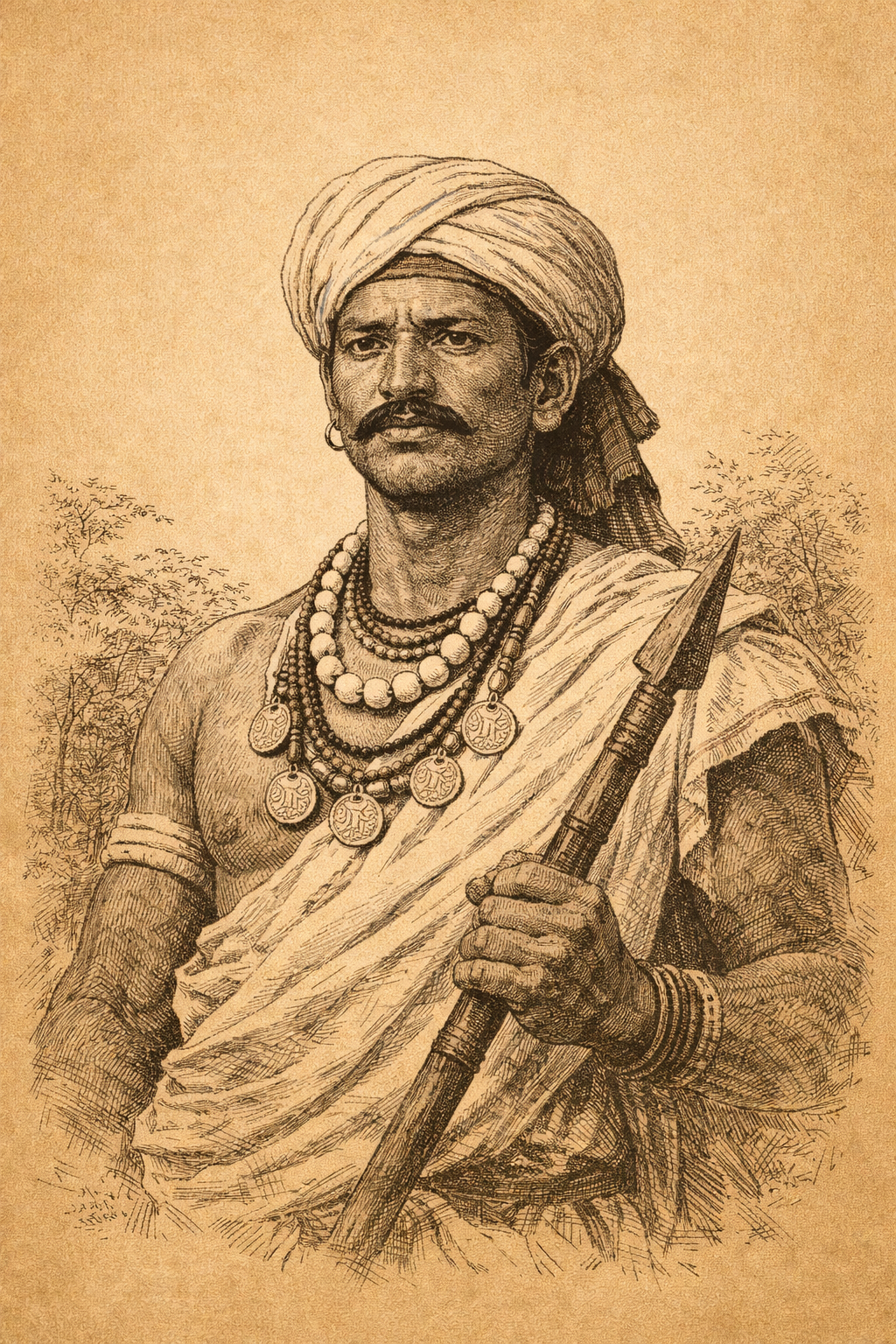
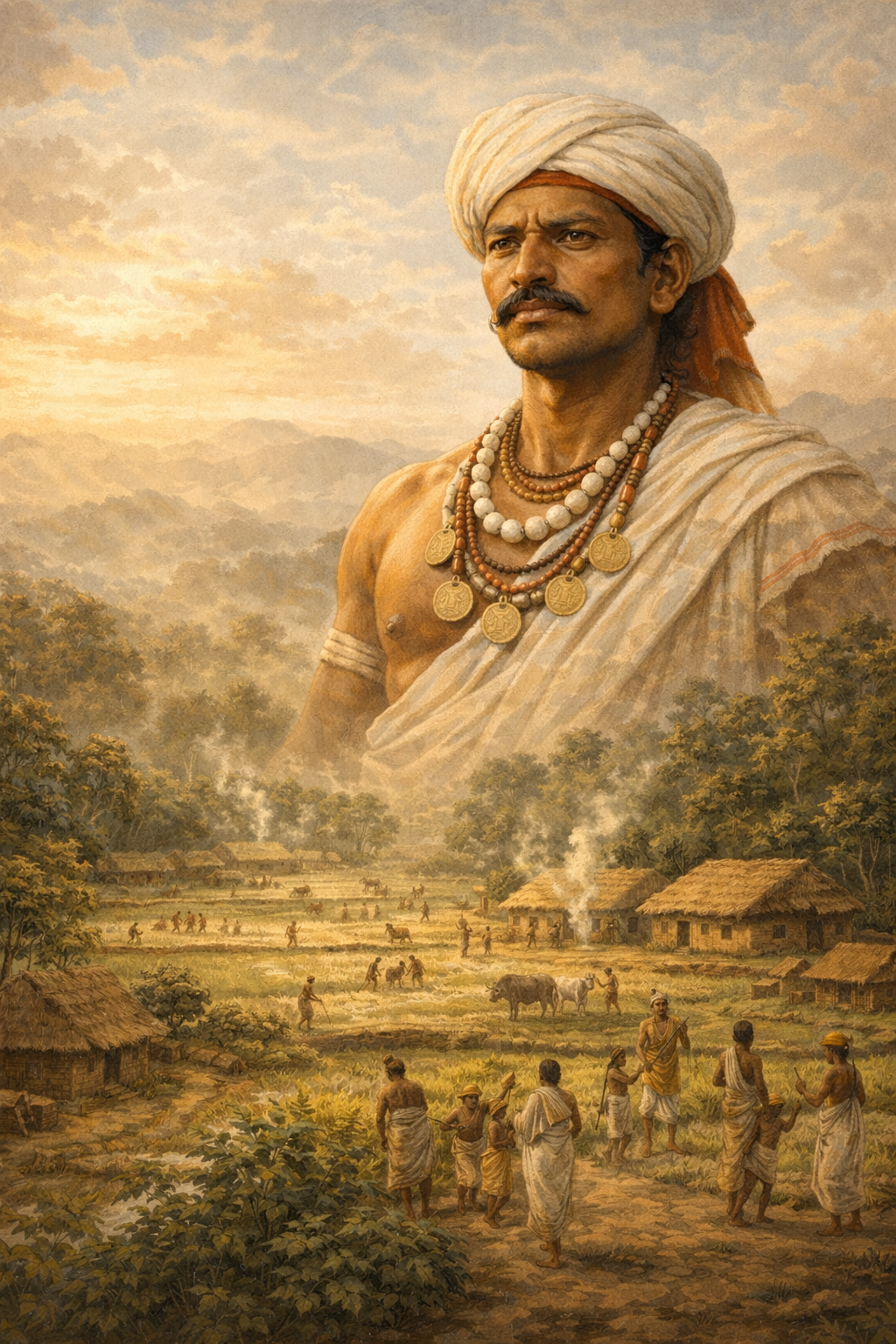
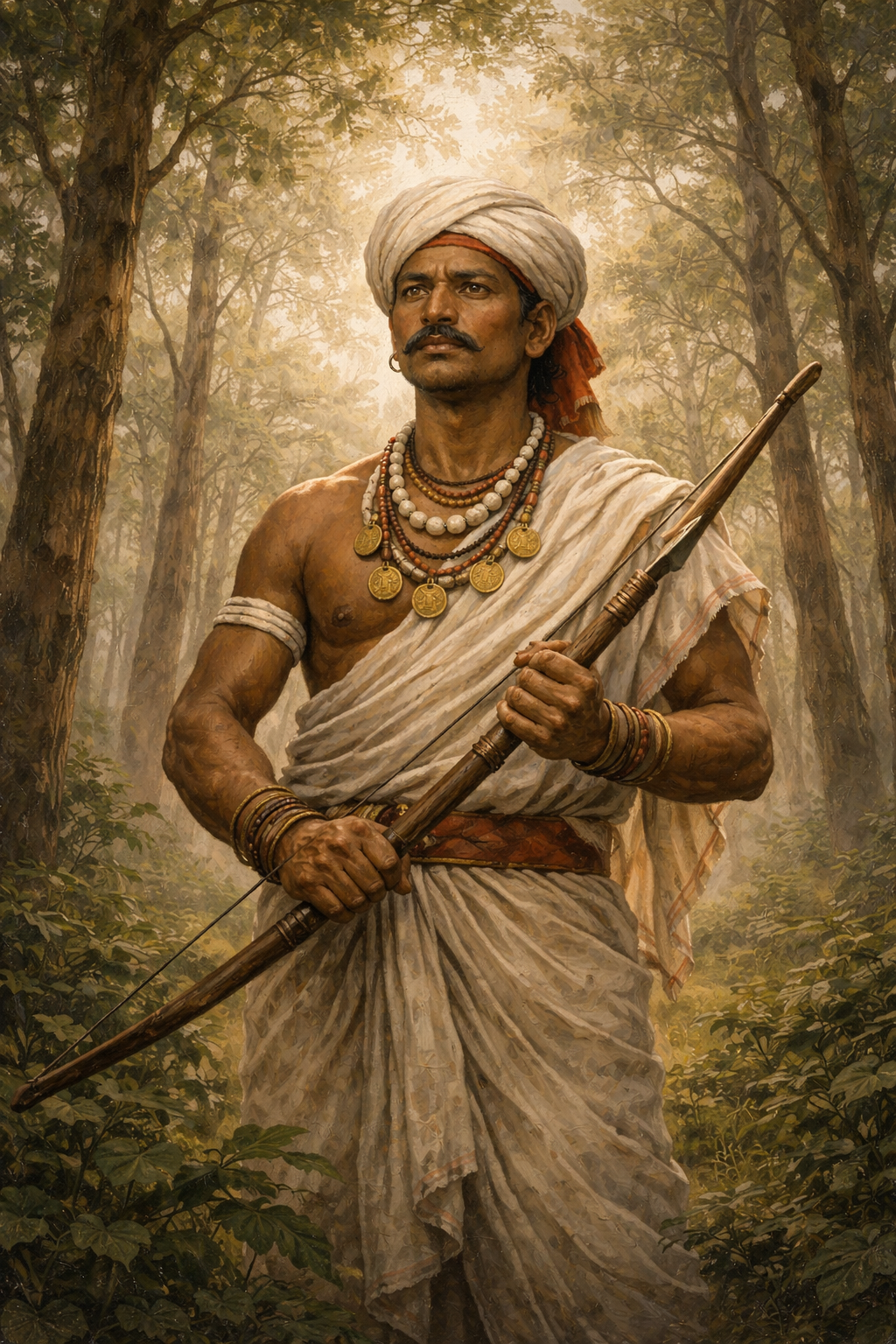
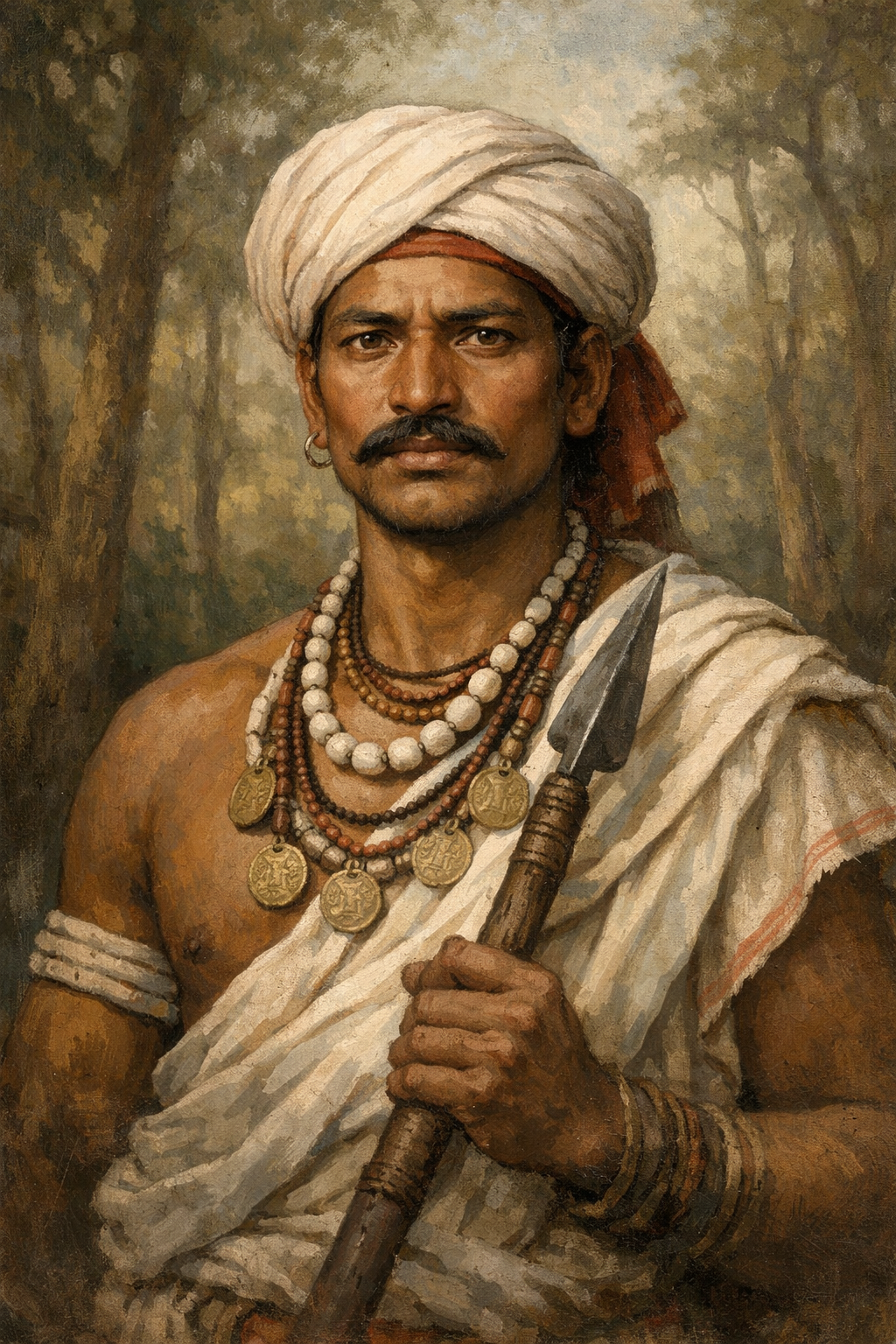
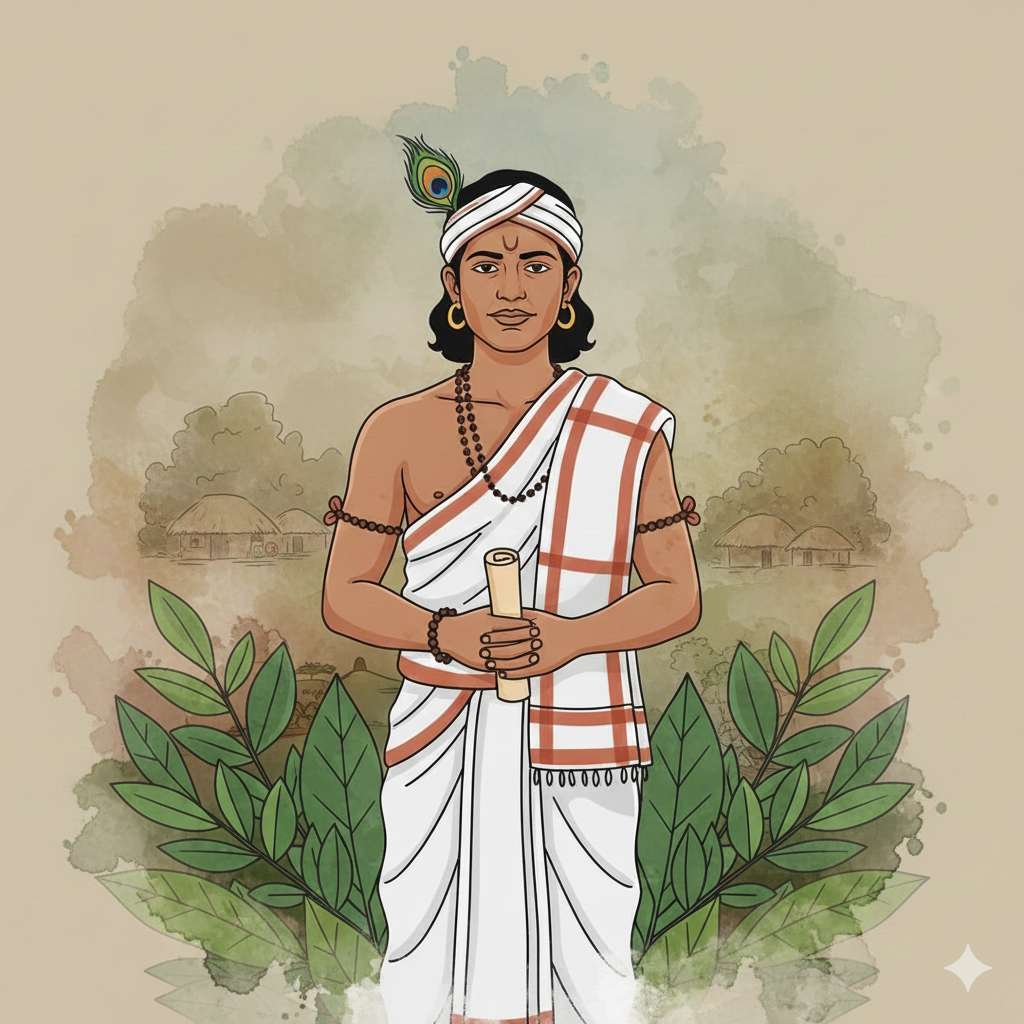
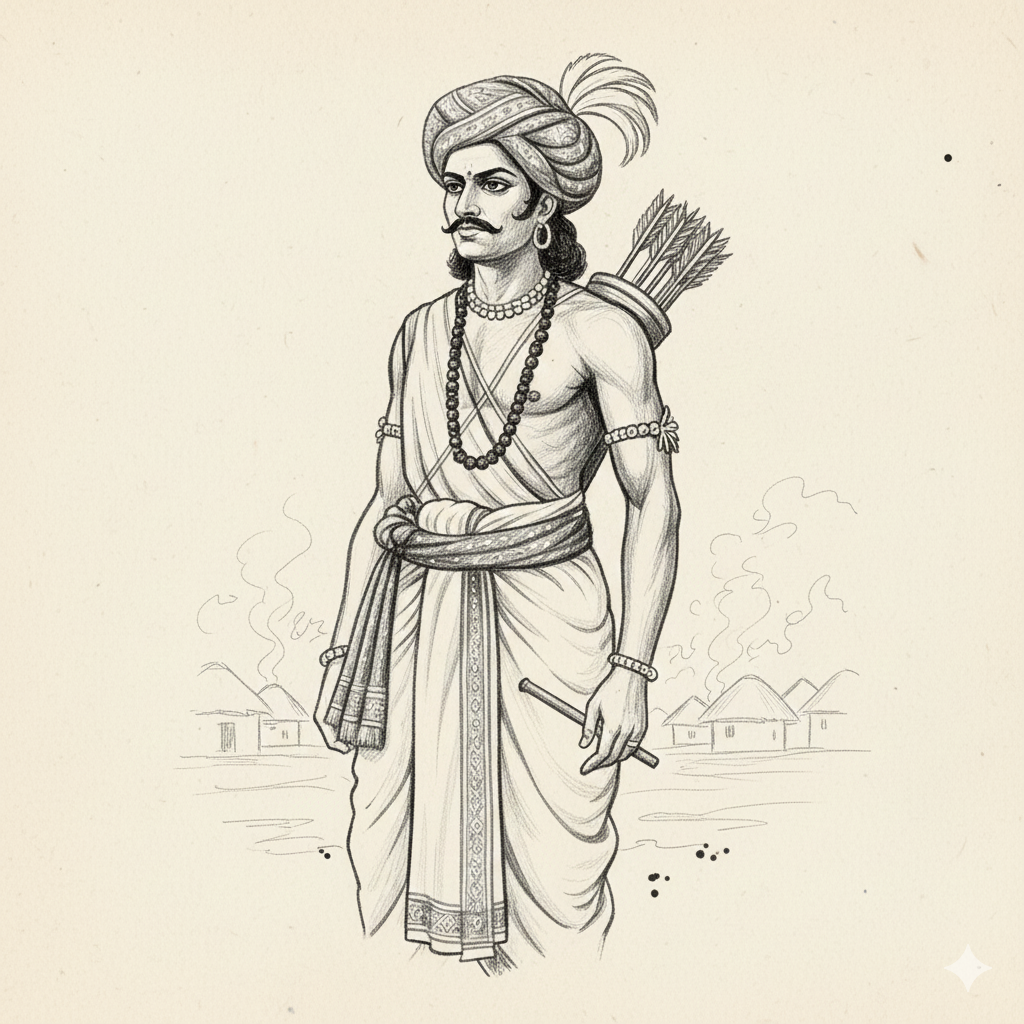
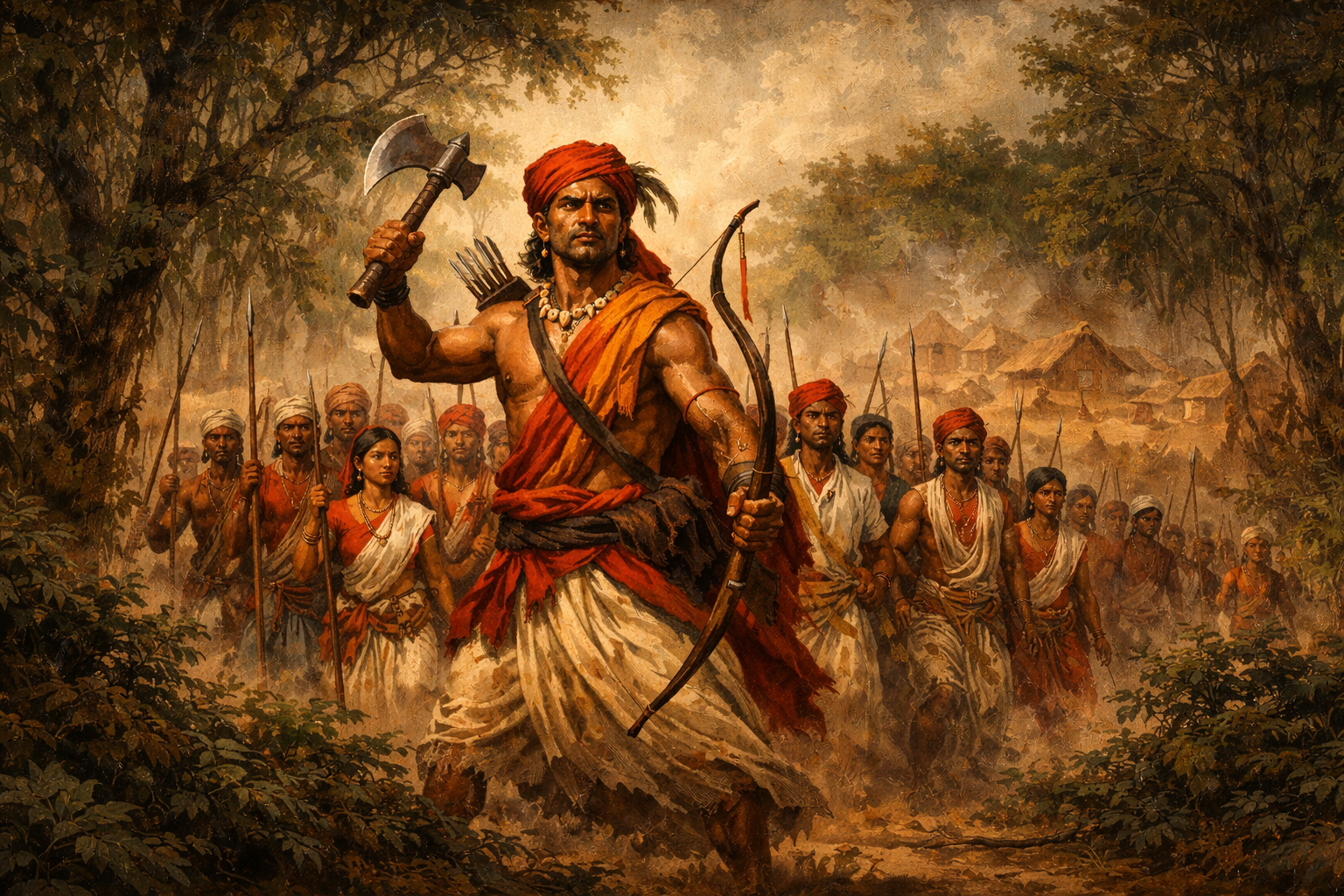
Sidhu Murmu was born into a Santhal tribal family in the early 19th century in the forested region of present-day Jharkhand. Growing up in a close-knit tribal society, he was deeply influenced by Santhal traditions, customs, and a strong sense of community life. From a young age, Sidhu witnessed the hardships faced by his people due to oppressive colonial policies, exploitation by moneylenders, and the loss of ancestral land.
These early experiences shaped his sense of justice and leadership. Along with his brother Kanhu Murmu, Sidhu developed a strong resolve to protect tribal rights and dignity. His upbringing in nature, combined with traditional values of courage, unity, and self-respect, laid the foundation for his emergence as a powerful leader who would later mobilize the Santhal community against colonial oppression.
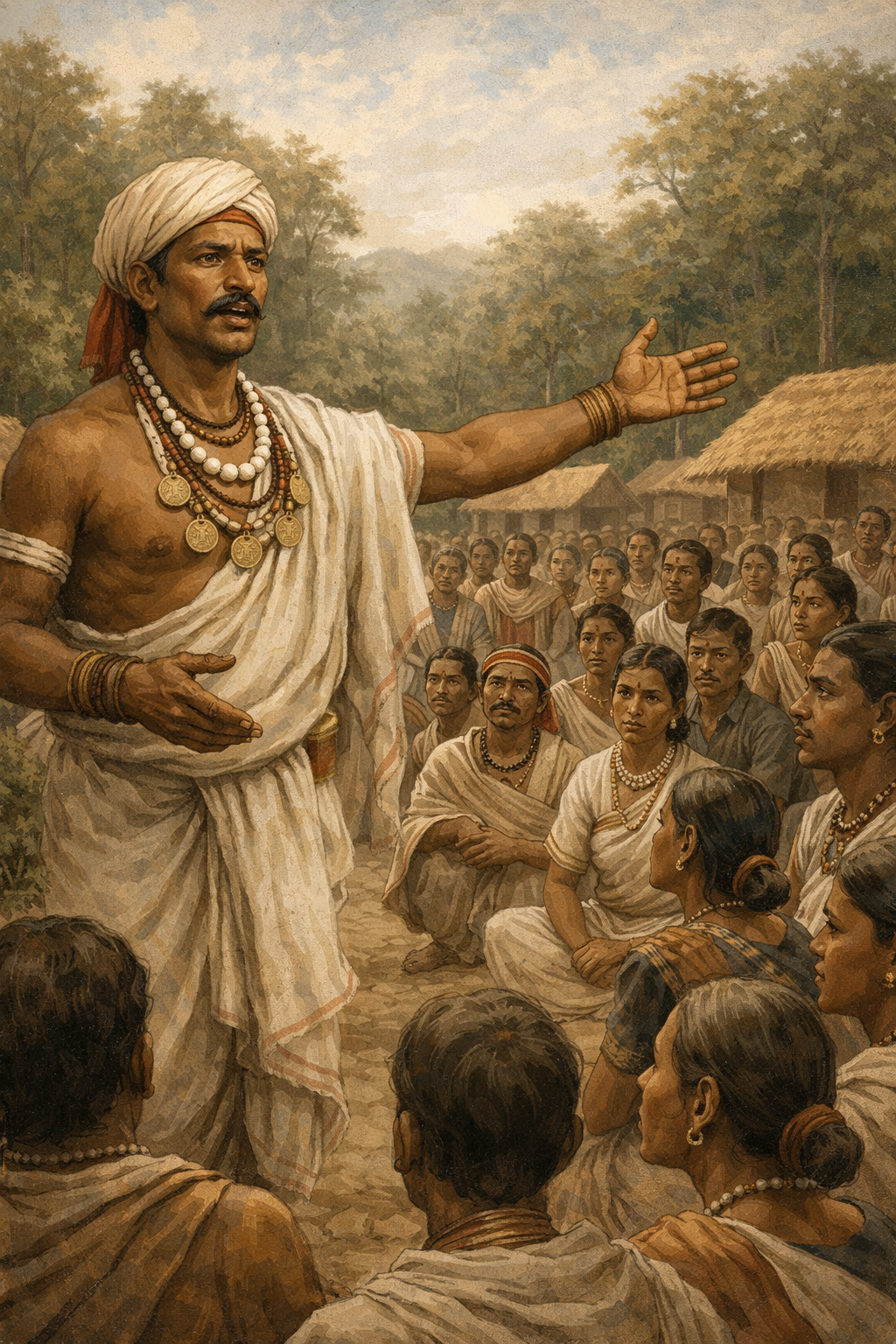
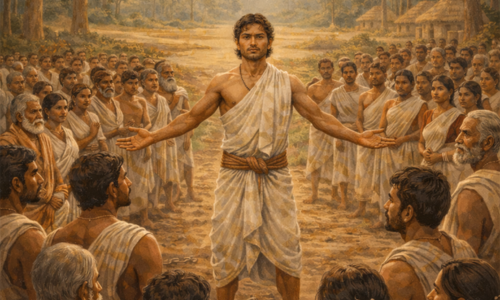
Sidhu was known for his intelligence, courage, and ability to communicate effectively with others. He gained respect within the community as someone who spoke fearlessly against injustice and stood up for the vulnerable. Along with his brother Kanhu Murmu, he began organizing village meetings, spreading awareness about exploitation, and encouraging unity among the Santhals. His leadership style was rooted not in authority, but in trust, shared suffering, and collective strength.
The spiritual beliefs of the Santhal community also played a significant role in shaping Sidhu’s worldview. He believed that moral righteousness and unity could challenge even the most powerful oppressors. This blend of cultural grounding, lived experience of oppression, and natural leadership qualities laid the foundation for Sidhu Murmu’s rise as a revolutionary figure—one who would later lead one of the most significant tribal uprisings in India’s history.
Family Background
The people who stood beside Sidhu Murmu in the struggle
Sidhu Murmu was born into a humble Santhal tribal family in the early 19th century, deeply rooted in indigenous traditions and community life. His family belonged to an agrarian and forest-dependent society where land, nature, and collective responsibility formed the core of daily existence. Like most Santhal families of the time, they lived simply, relying on farming, forest produce, and mutual cooperation within the village.
Sidhu Murmu grew up alongside his brothers, most notably Kanhu Murmu, who later became his closest ally in the resistance against British rule. The Murmu family was respected within the community for upholding Santhal customs, moral values, and a strong sense of justice. Elders in the family played an important role in passing down oral traditions, folklore, and ancestral knowledge, which shaped Sidhu’s understanding of leadership and responsibility.
The hardships faced by his family—such as land dispossession, exploitation by moneylenders, and interference by colonial authorities—had a profound impact on Sidhu Murmu from an early age. These shared family struggles strengthened his bond with his people and fueled his determination to protect tribal rights. His family background, grounded in unity, resilience, and cultural pride, laid the foundation for his emergence as a leader who spoke not only for his own household, but for the entire Santhal community.
Sidhu Murmu belonged to a close-knit Santhal tribal family. While detailed historical records about all his family members are limited, the following figures are most commonly associated with his life and the Santhal rebellion:
Kanhu Murmu – Younger brother of Sidhu Murmu and co-leader of the Santhal Rebellion. He played a crucial role in organizing and mobilizing Santhal communities and continued resistance efforts after Sidhu’s capture.
Chand Murmu – Brother of Sidhu Murmu, involved in supporting the movement and spreading messages among villages.
Bhairav Murmu – Brother of Sidhu Murmu, known to have assisted in resistance activities and community organization.
Phulo Murmu – Sister of Sidhu Murmu, remembered for her courage and participation in the uprising, symbolizing the active role of Santhal women in the resistance.
Jhano Murmu – Sister of Sidhu Murmu, also known for her bravery and involvement in motivating and supporting Santhal fighters.
Role as a Community Leader
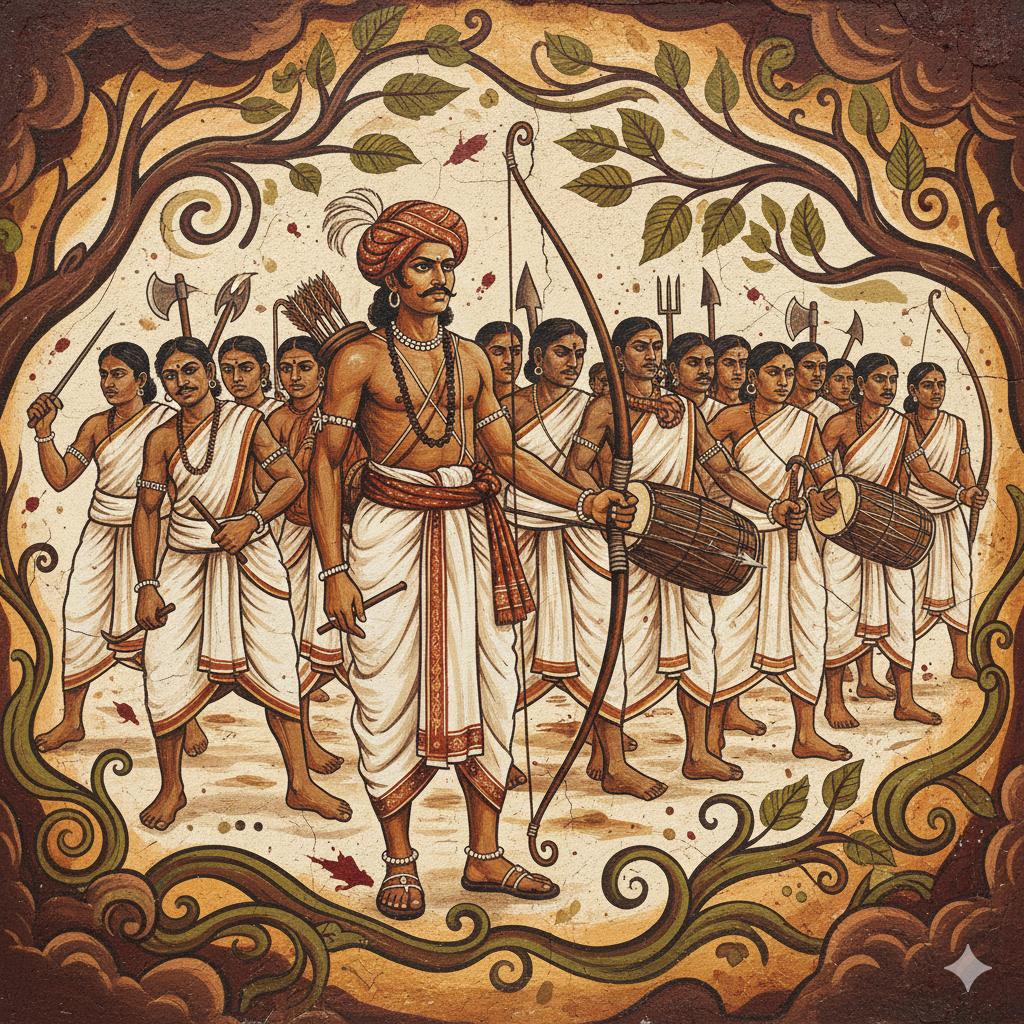
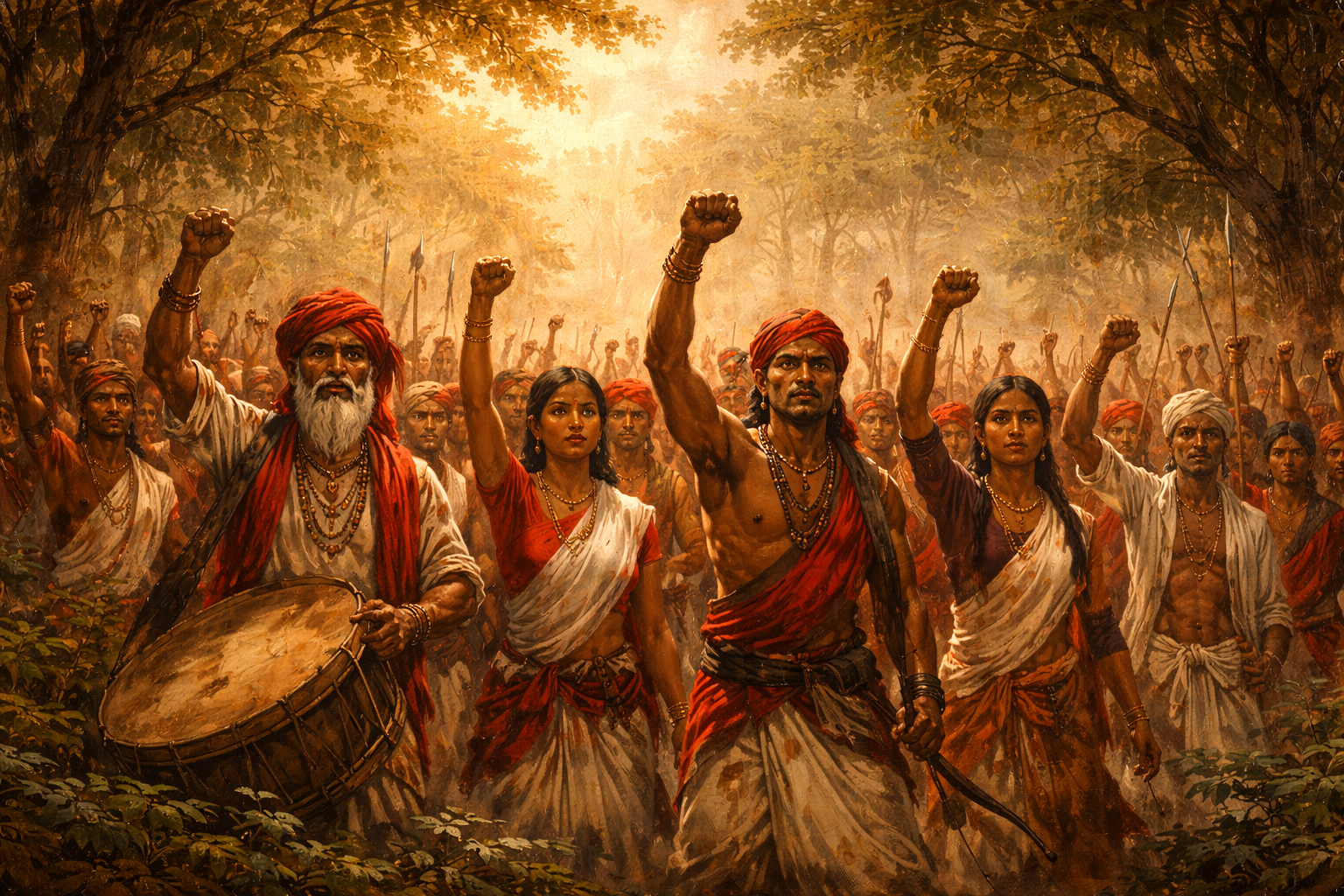
Sidhu Murmu united scattered Santhal villages and gave voice to their shared struggles.
Tribal Rights
Builder of Unity
Leadership
Their significance in Santhal history
Awakening of Santhal Collective Consciousness
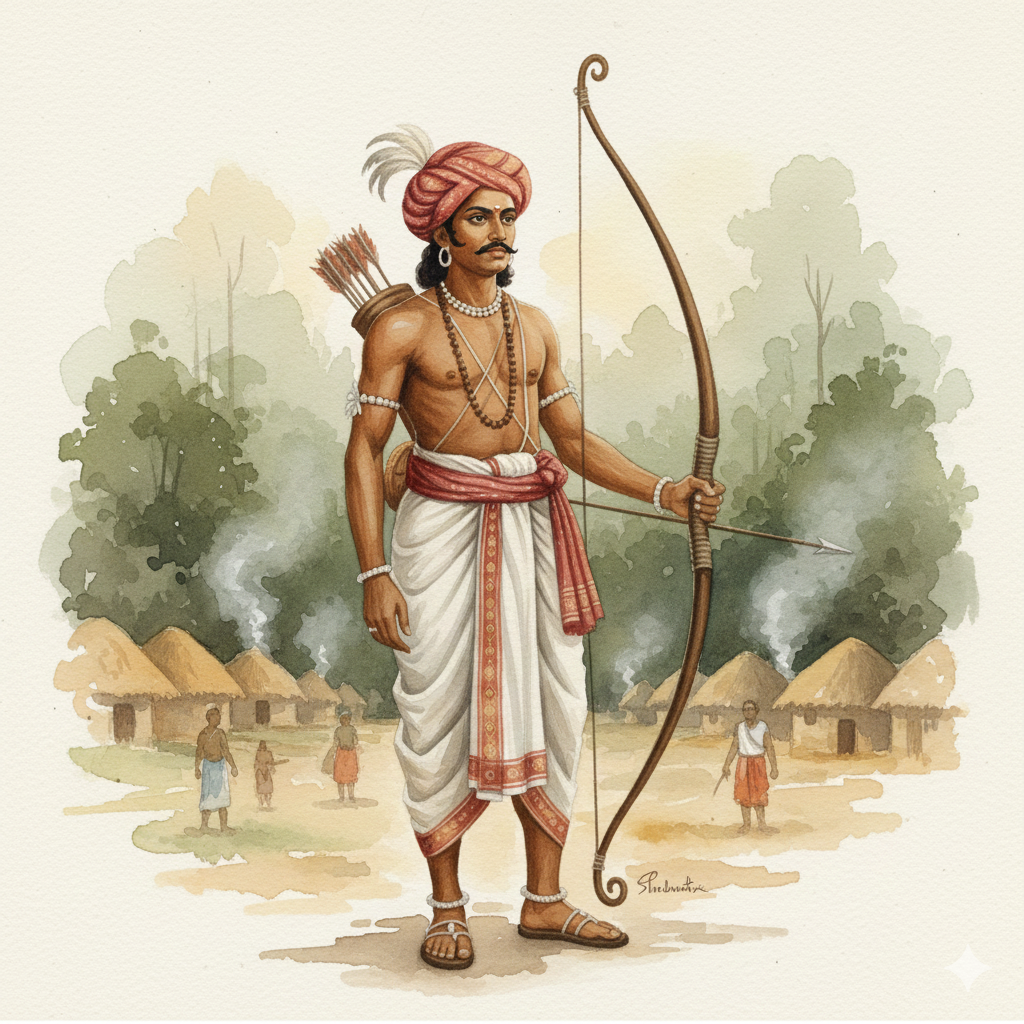
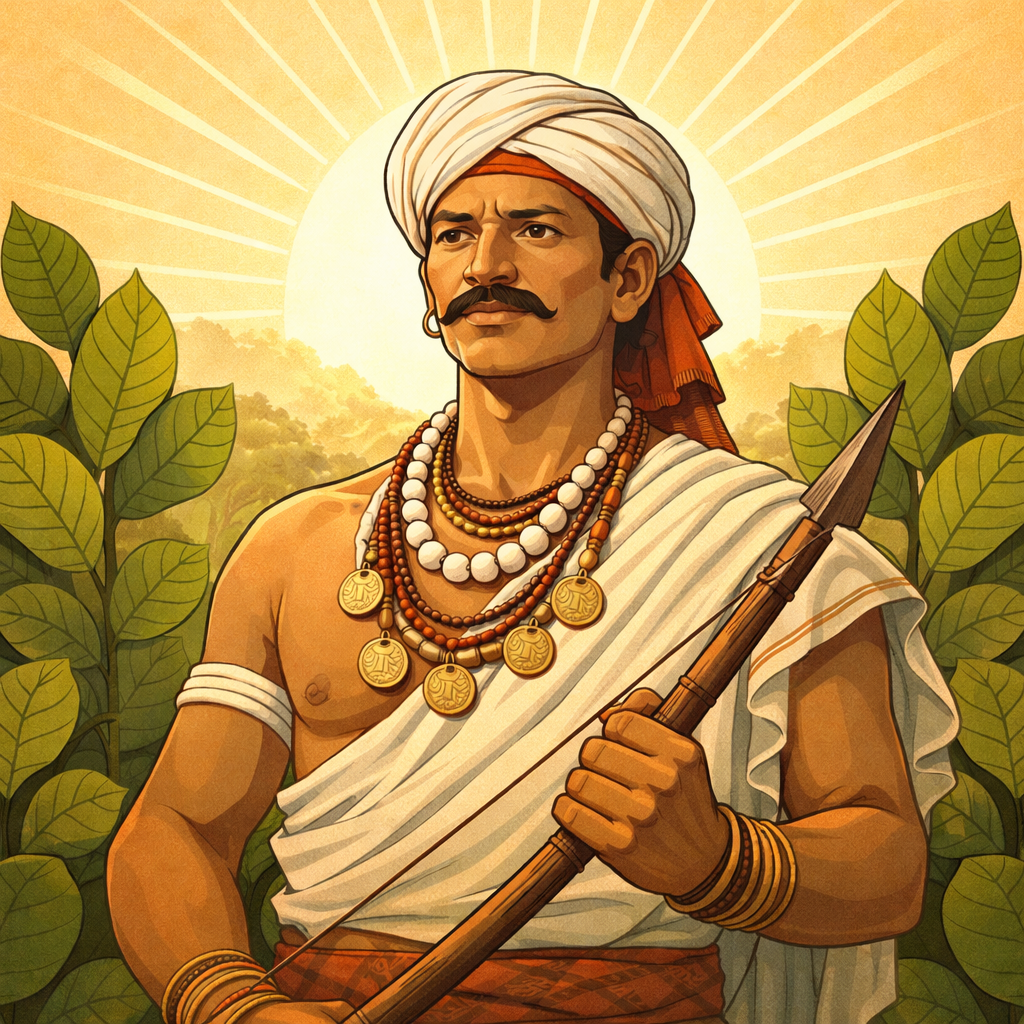
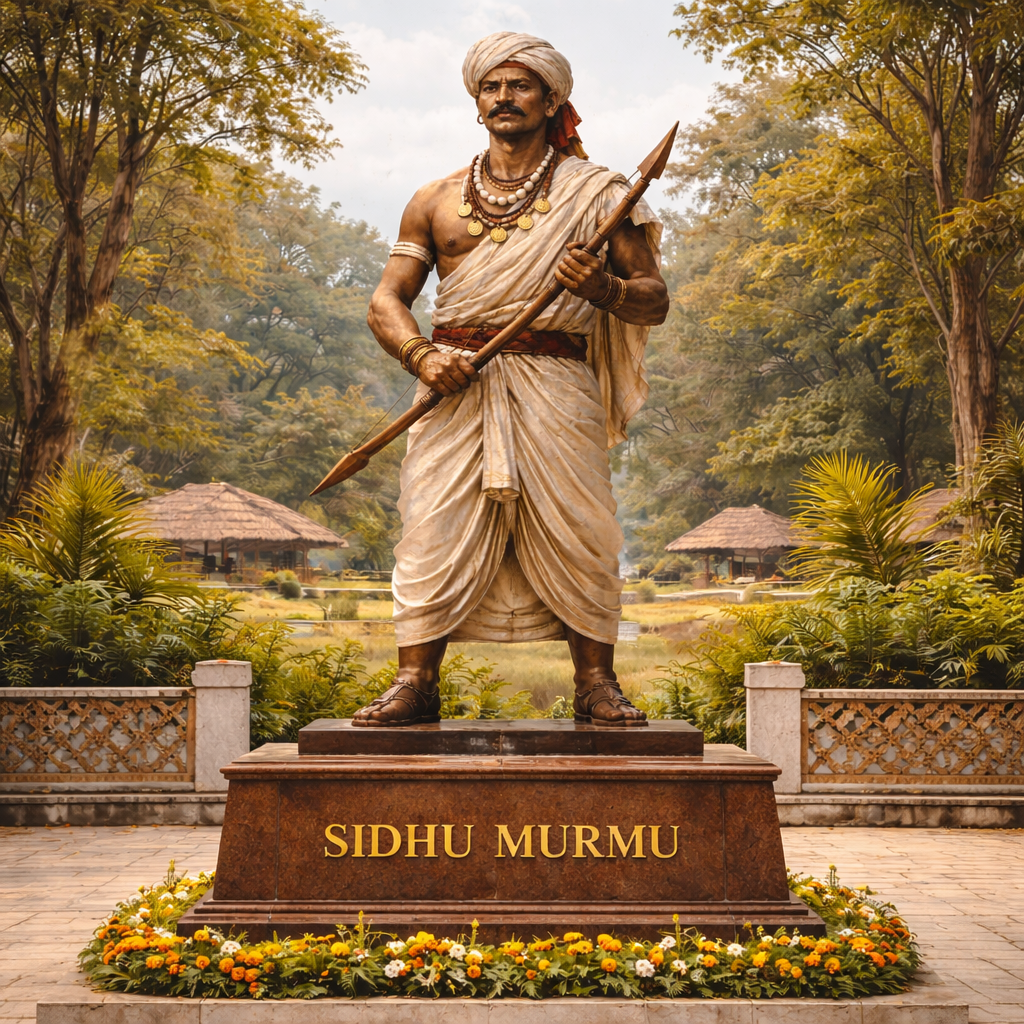
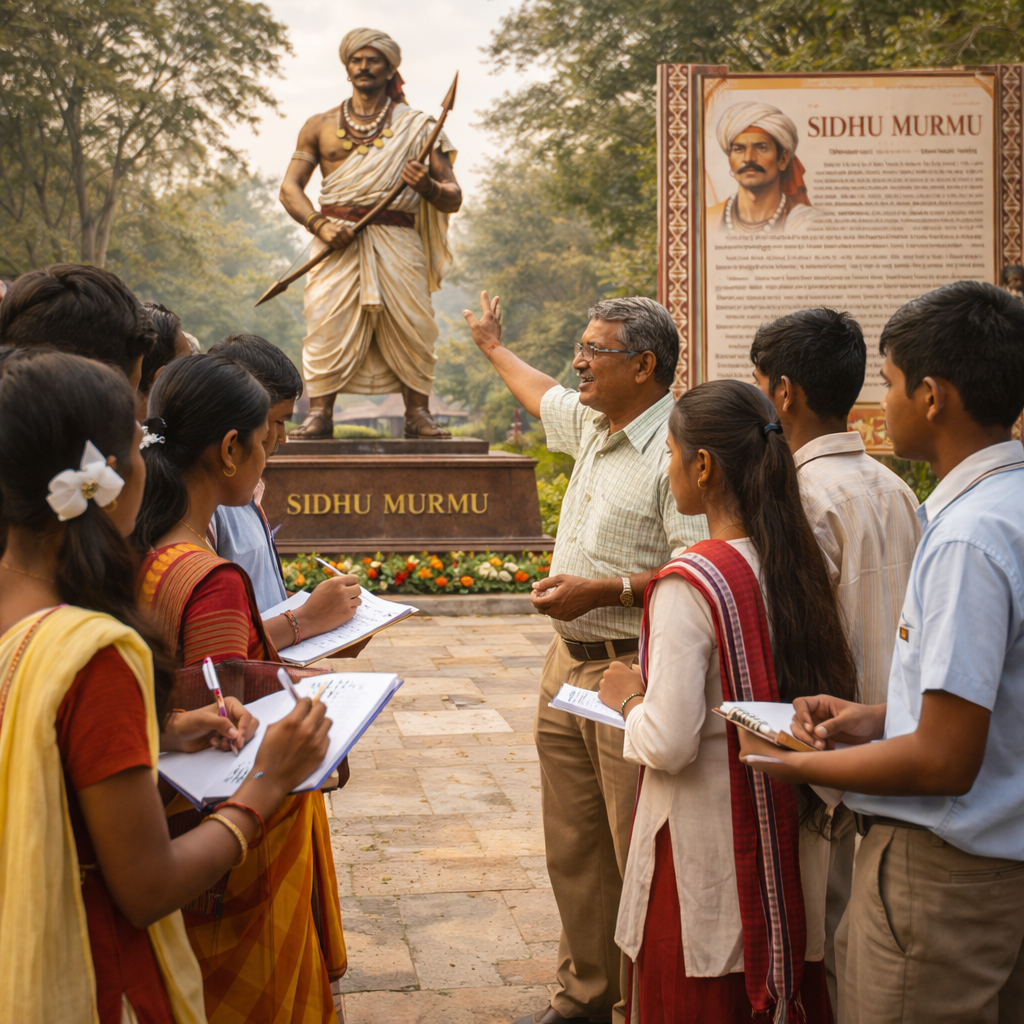
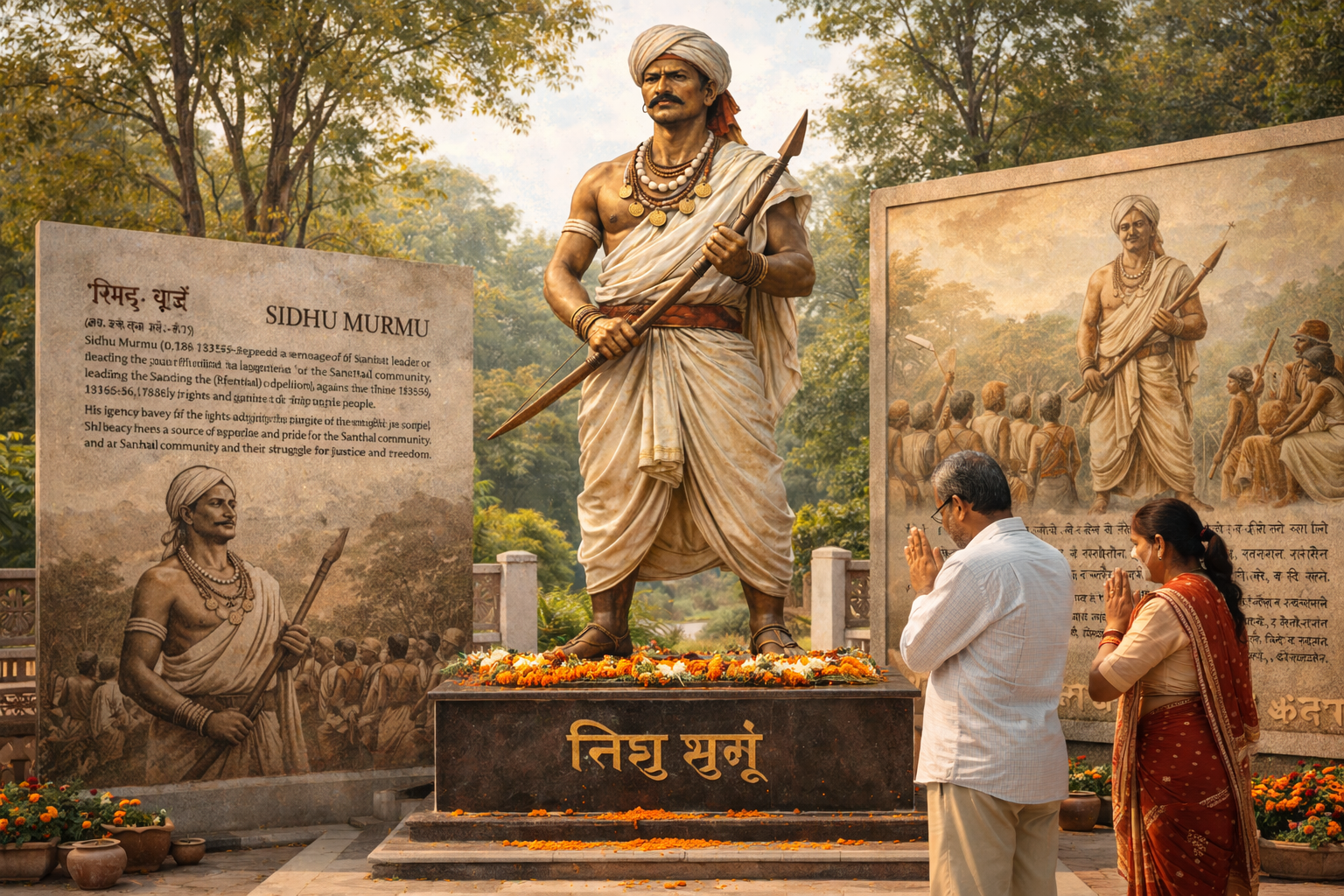
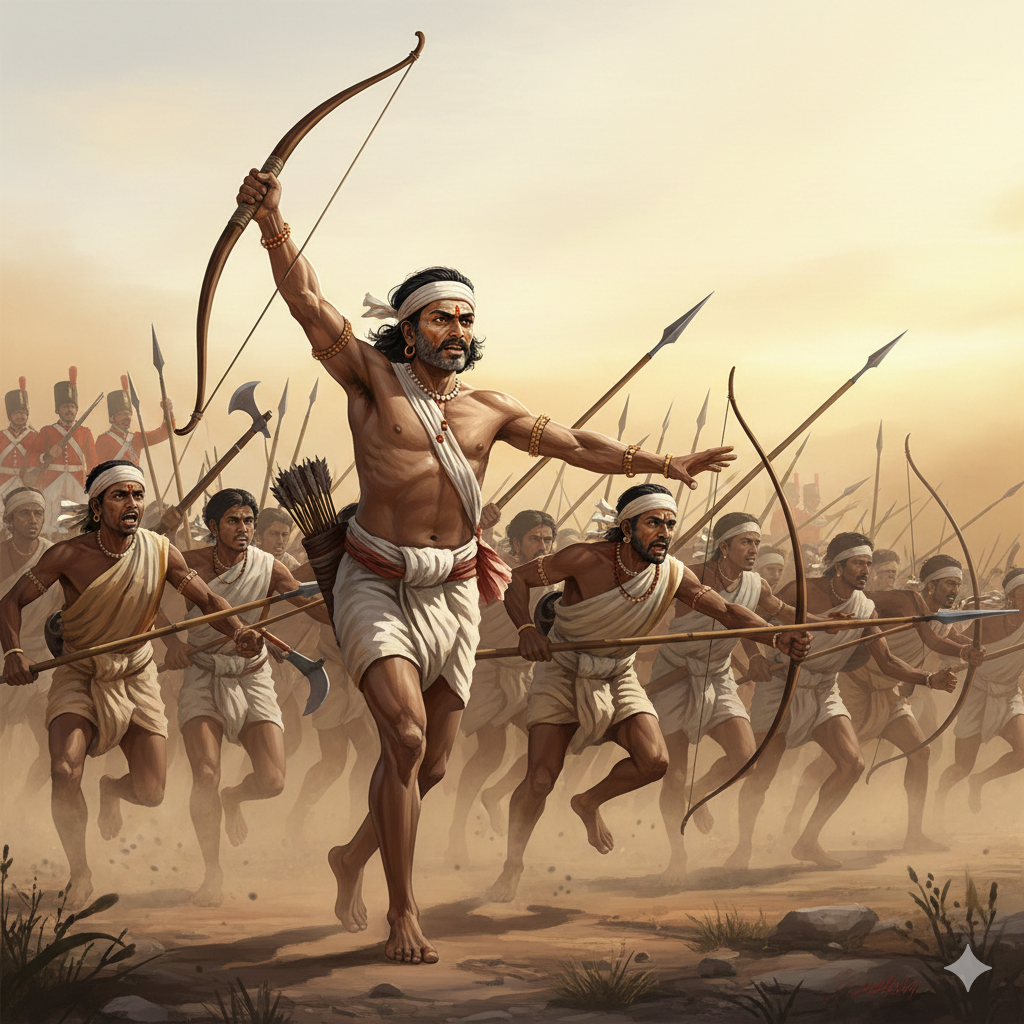
Sidhu Murmu holds a central place in Santhal history as a symbol of resistance, unity, and self-respect. His leadership during the Santhal rebellion marked the first large-scale, organized assertion of tribal rights against colonial exploitation. At a time when Santhal society faced land dispossession, forced labor, and cultural erosion, Sidhu Murmu emerged as a voice that awakened collective consciousness among the people.
His movement not only challenged British authority but also exposed the injustices of the colonial land and revenue systems. The rebellion strengthened Santhal identity, reinforced community solidarity, and laid the foundation for future tribal resistance movements in India. Even after suppression, the impact of his struggle led to administrative changes, including greater recognition of tribal rights and the protection of Santhal regions.
Today, Sidhu Murmu is remembered not just as a rebel leader, but as a guardian of Santhal culture and dignity. His legacy continues to inspire indigenous movements, reminding generations of the power of unity, courage, and the fight for justice rooted in ancestral land and tradition.