Santhal Rebellion

Causes of the Uprising

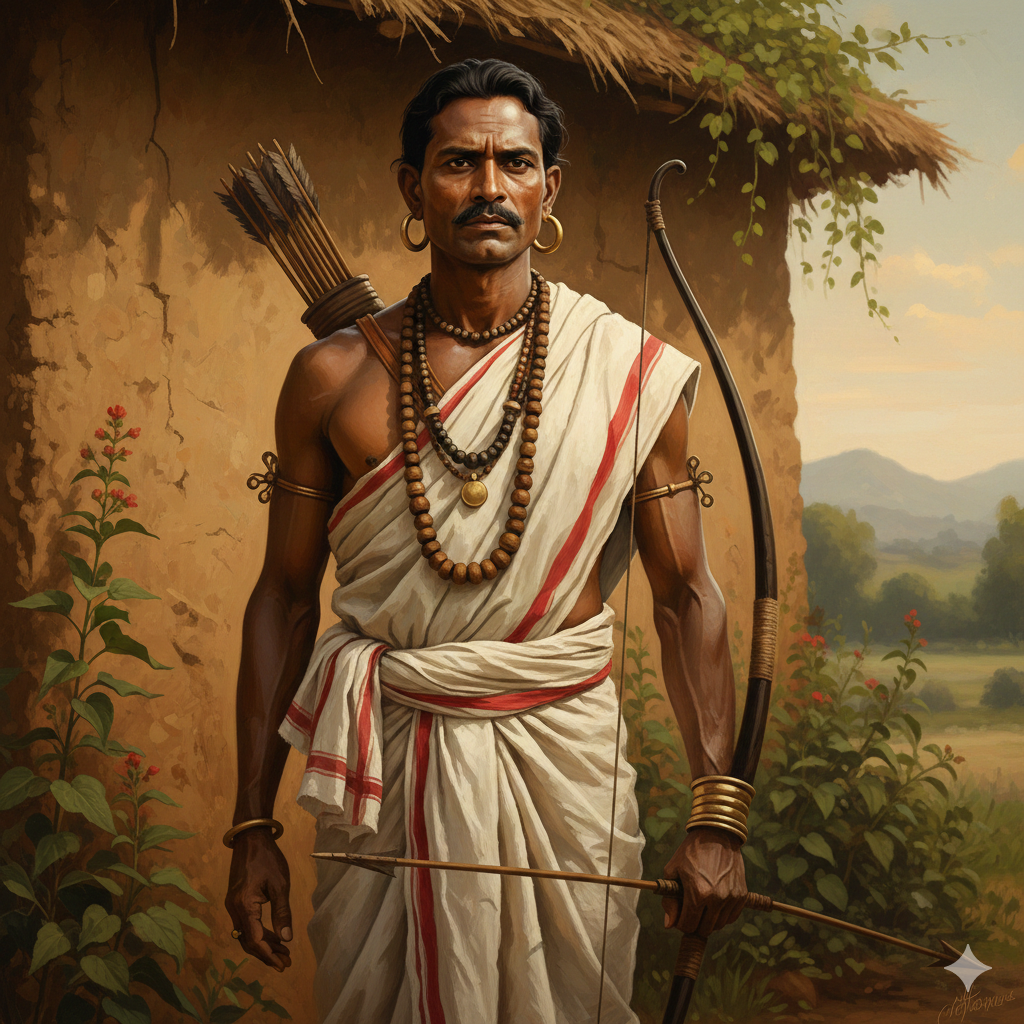
The uprising emerged from years of injustice, inequality, and suppression that deeply affected the social and economic life of the people.

Social Injustice

Discrimination, forced labor, and denial of basic human rights created anger and unrest among the people.

Economic Exploitation

Heavy taxes, poverty, and unfair control over land and resources pushed communities into extreme hardship.

Political Oppression

Absence of representation, strict laws, and misuse of power left people without justice or freedom.

Cultural Suppression

Traditional customs, beliefs, and identities were ignored or threatened, weakening community dignity.

Early Phase
Growing Discontent

Increasing exploitation, injustice, and social inequality led to rising anger and dissatisfaction among the people.

Initial Resistance
Formation of Unity

Communities began organizing meetings, spreading awareness, and uniting to resist oppressive practices.

Major Turning Point
Outbreak of the Uprising

The uprising formally began as people openly challenged authority and demanded justice and rights.

Conflict Phase
Widespread Confrontations

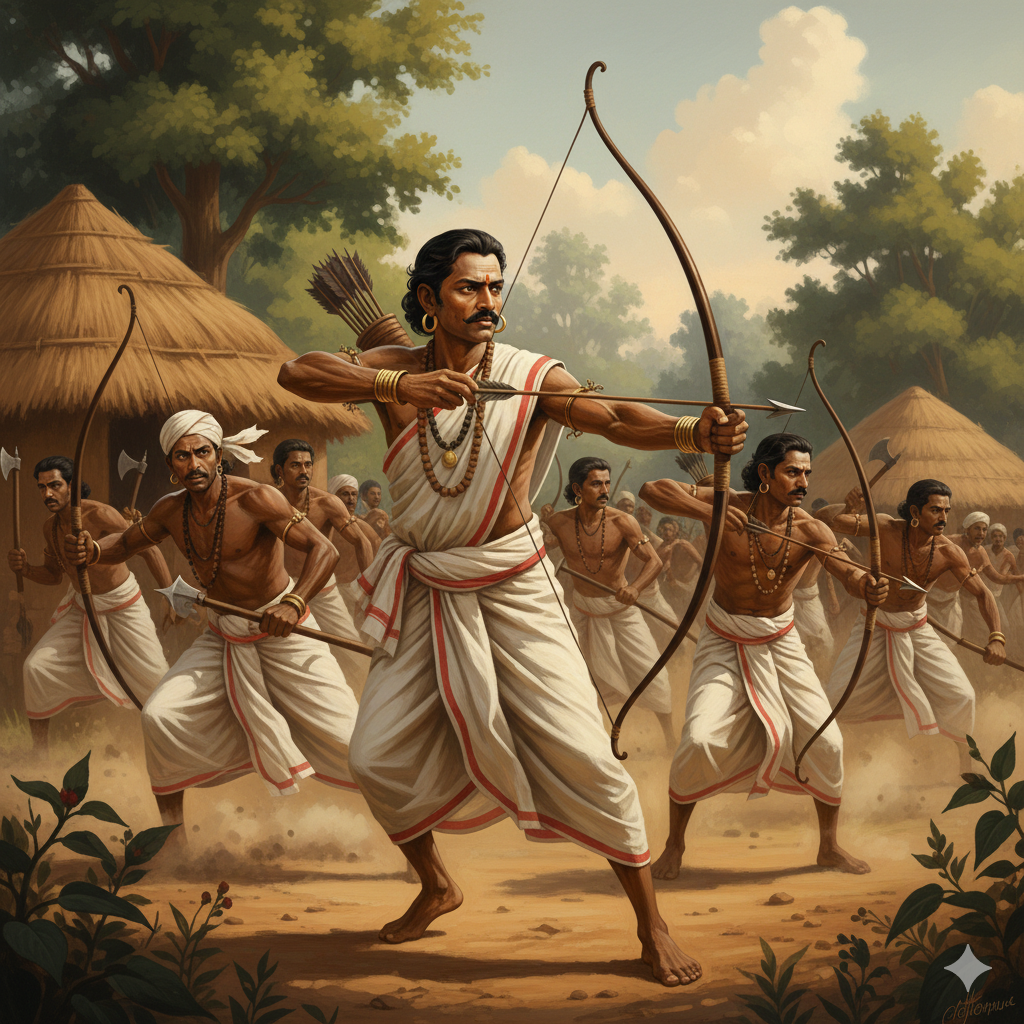
The movement expanded rapidly, leading to intense clashes, resistance efforts, and mass participation.

Aftermath
Impact and Legacy

Although suppressed, the uprising left a lasting impact and inspired future movements for justice and freedom.

leadership-container

The leaders of the uprising adopted thoughtful strategies to unite people, sustain resistance, and challenge oppression effectively.

Community Mobilization

Leaders actively engaged villages and communities, encouraging unity and collective participation in the movement.

Clear Communication

Messages were spread through meetings, symbols, and oral traditions to ensure everyone understood the cause and goals.

Decentralized Leadership

Authority was shared among trusted individuals, allowing the movement to continue even under severe repression.

Moral and Cultural Strength

Leaders used cultural values, traditions, and shared identity to inspire courage and long-term commitment.

Historical Impact

The uprising left a deep and lasting impact on society, influencing future movements, reforms, and the collective consciousness of the people.

Awakening of Resistance

The movement ignited a strong sense of resistance and political awareness among marginalized communities.

Policy and Administrative Changes

Authorities were compelled to review policies, leading to reforms aimed at reducing exploitation and injustice.

Inspiration for Future Movements

The uprising became a symbol of courage, inspiring later struggles for rights, freedom, and equality.

Cultural and Historical Legacy

Stories of bravery and sacrifice were preserved through traditions, strengthening identity and historical memory.

Aftermath and Recognition

Following the uprising, its consequences reshaped social awareness, governance, and the way the movement and its leaders were remembered.

Immediate Consequences

The uprising was suppressed with force, resulting in loss, hardship, and strict administrative control.

Administrative Reforms

Authorities later introduced changes to reduce exploitation and improve governance in affected regions.

Public Recognition

Over time, the courage and sacrifices of the leaders and participants gained public respect and acknowledgment.

Legacy and Remembrance

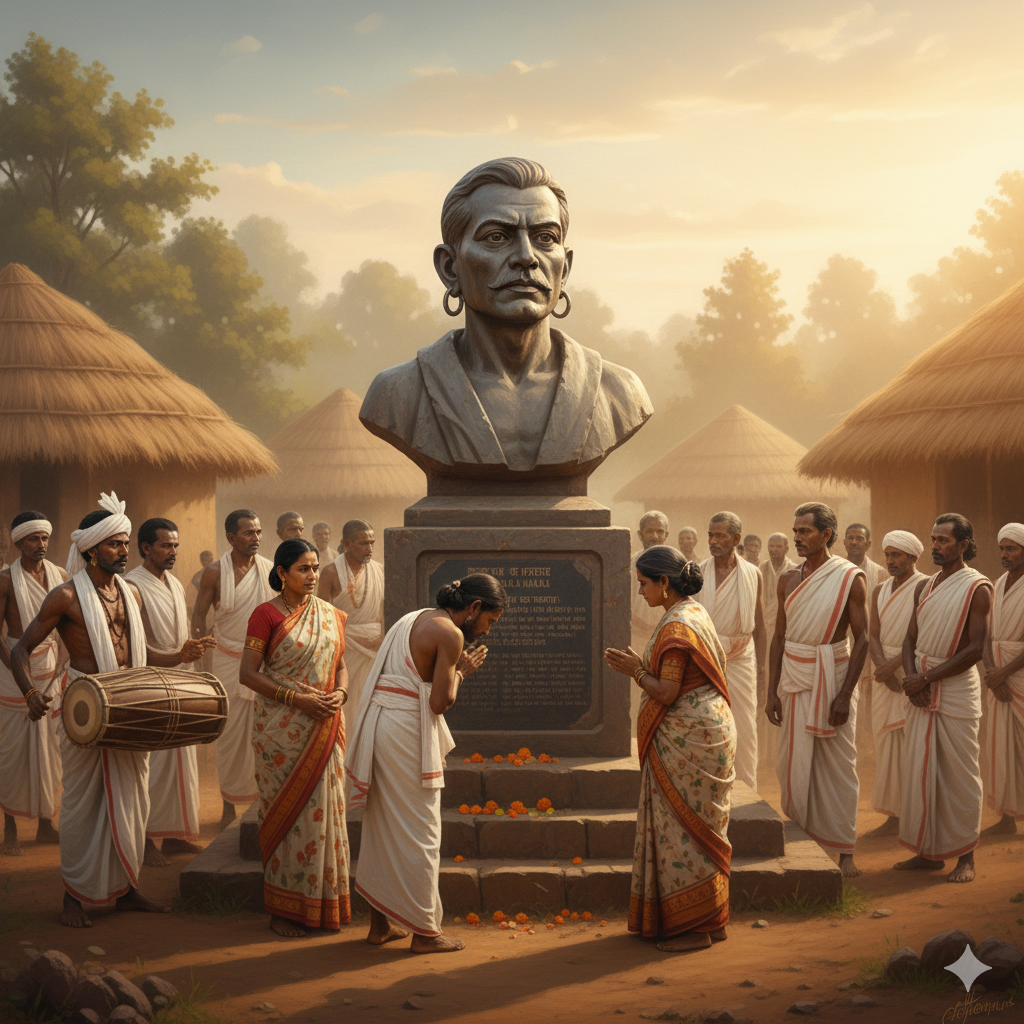
The movement is remembered through history, education, memorials, and cultural traditions.

Scroll to Top